
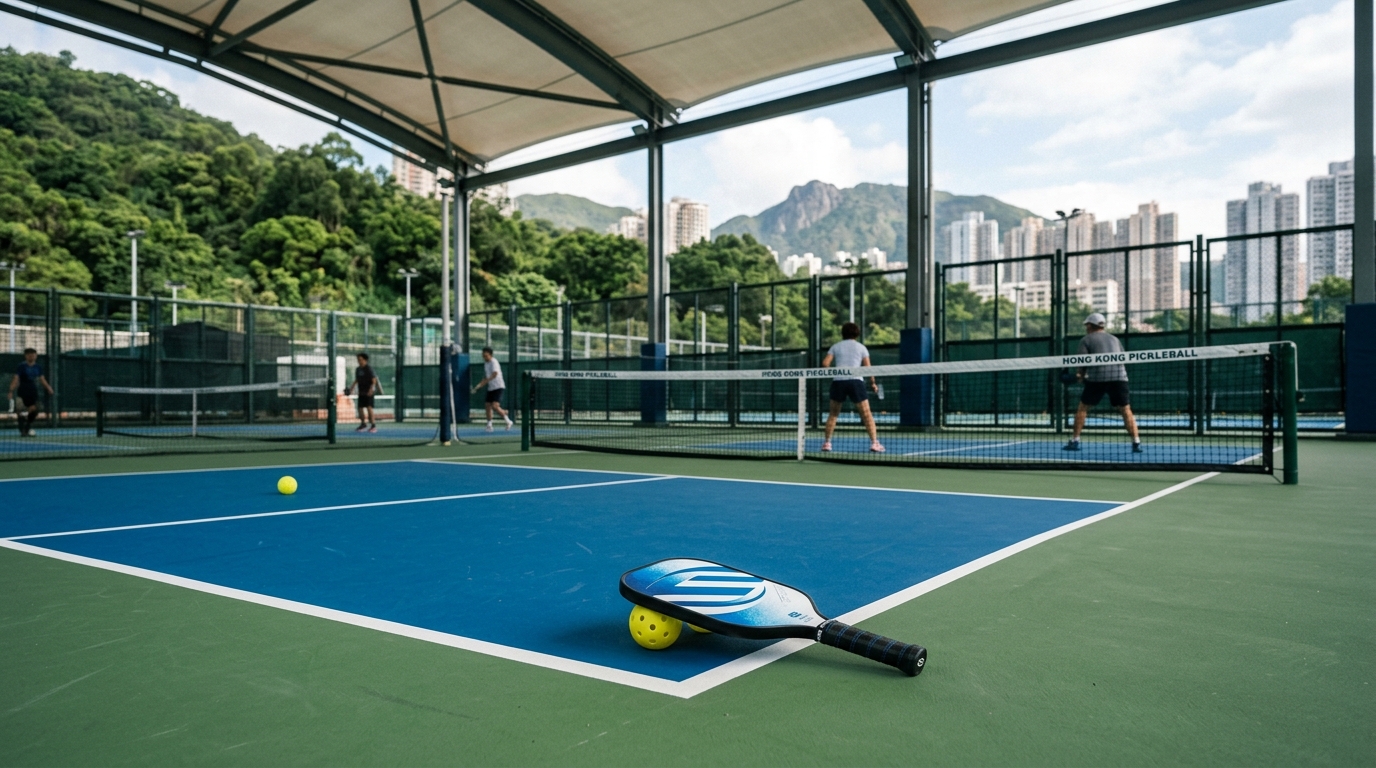
For Hong Kong sports venues, a booking is only the start of the operating process. A sports facility management system can link court availability with payment, access, lighting and records, but it cannot replace an operator’s decisions. This guide gives pickleball, padel, tennis and badminton venue teams a practical way to map that work. It also covers local questions, including FPS, CCTV notices and severe weather plans, without treating software as legal advice. Genium Infra’s court automation for sports venues connects tools on courts an operator already owns. Use the steps below to check what belongs in the system and what must stay with your team.
Build a sports facility management system from booking to payment
Start with the booking record. It should show the court, session time, price, capacity and current status. When someone books, check that the slot becomes unavailable elsewhere. Then test what happens when payment fails, a booking changes or a refund is due. The goal is one clear record, not several screens that disagree. This is the core of a court automation system operating stack: a booking creates the next steps, while a person can still review exceptions.
Payment is part of that flow. When assessing a Hong Kong venue payment gateway, ask which methods it supports, how it confirms a transaction and how staff match payments to bookings. Genium Infra lists online payment by cards, Apple Pay, FPS and Alipay HK, with instant confirmation. Do not assume another supplier offers the same mix. Nor should an operator assume that a payment method removes disputes or errors. Set a named process for checking failed or duplicate transactions.
Connect smart court access control HK with lighting
Lighting can follow the booking schedule too. Genium Infra lists floodlights that switch with a booking. Operators still need to choose the schedule, check that the right area is covered and set out what happens when a light does not work. Treat smart court access control HK as a link between a valid booking and an access decision, not as a safety inspection. The operator remains responsible for deciding whether the venue is fit to use and who should respond to a reported problem.
Make a simple exception list before setup. Include an early arrival, a late departure, a changed booking, a lost network connection and a hardware fault. Decide who can review each case and how the decision is recorded. Genium Infra’s system is designed to keep working offline and sync later, but each venue still needs its own fallback steps. Use the operating flow to discuss how booking, access and lighting may fit together at your site.
Plan Hong Kong sports venue monitoring and privacy
Monitoring should have a clear purpose. An operator may need a record to review an incident, check a reported access issue or understand a court overrun. Genium Infra lists cameras for incident review and sensors that catch no-shows and overruns. Those tools can add information to an inquiry. They do not decide what happened or what response is fair. A person should review the record and follow the venue’s process.
Before using cameras, write down what they cover, why footage may be reviewed, who can see it and how requests are handled. Consider how visitors are told about surveillance. CCTV notice and personal-data duties depend on the venue’s use of information, so do not treat this guide as a statement of legal rules. Ask a qualified adviser about the requirements for your site. Keep notices and written procedures consistent with the equipment and practices actually in use.
Keep incident records focused. Note the time, court, report, action and any follow-up, and limit access to people with a real role in handling the issue. Review the process if the camera layout or purpose changes. A sports facility management system can help staff find relevant booking and sensor records, but it cannot replace careful judgement or a fair response. A written review process is more useful than collecting footage without deciding who may use it and why.
Write a typhoon sports facility closure procedure
Set the closure process before severe weather arrives. A typhoon sports facility closure procedure should say who checks official alerts, who decides whether the venue closes, which bookings are affected and who sends the message. It should also point staff to the venue’s published booking and refund terms. Keep the notice clear, with the affected time and next step. Booking reminders or messages can support the process, but a person must confirm that the decision and wording are correct.
Use a short checklist: confirm the alert and decision; identify affected sessions; send the approved notice; apply the stated booking terms; record the action. Do not copy another venue’s trigger or refund policy without checking your own terms. Genium Sports’ Ma On Shan facility closes and refunds bookings in full when Typhoon Signal 8 or above, or a Red or Black Rainstorm Warning, applies. That is a specific Genium Sports policy, not a rule for every operator.
Use the same approach for other incidents. Name who handles a reported injury, damaged equipment, a disputed access record or a complaint. Decide when to escalate and what information to preserve. A typhoon sports facility closure procedure can include automated customer updates, but software cannot judge every situation or take responsibility for the venue’s response. Keep the human decision point clear in the written plan.
Adapt the operating stack to Hong Kong venue needs
Localise the process before selecting a product. Check that the booking, payment and customer messages suit the methods your venue accepts. Ask suppliers to confirm language support and any links to property-management or existing booking systems. Do not assume a product supports Traditional Chinese or connects to a particular building platform unless the supplier confirms it. Record each gap, decide who owns the workaround and test it with the people who will use it.
Conclusion
A sports facility management system can connect the booking record to payment, access, lighting, monitoring and customer updates. It should also make exceptions visible, so a person can review them. The operator still sets the rules, checks privacy and venue requirements, decides how to handle incidents and confirms closure messages. Begin with one booking journey, then test a failed payment, a device fault and a weather closure. For Hong Kong venues, include FPS options and a clear CCTV and weather process in that review. Choose a system after you understand both its links and its limits.
Talk to us
Genium Infra installs and runs court automation on courts operators already own, with options discussed after a site survey. Compare the listed functions with your booking, access and reporting needs, then ask our team about the setup and commercial options. To see how this would work on your courts, book a demo with our team: https://genium-infra.com/courts#demo
FAQ
What is a sports facility management system?
It is a set of software and connected tools that helps coordinate venue tasks. A sports facility management system may link booking, payment, access, lighting and reports. Features vary by supplier. The operator still sets policies, checks exceptions and decides how to respond to incidents.
How does court automation work for a sports venue?
Court automation links scheduled actions to bookings. Depending on the setup, that may include payment confirmation, access permissions, floodlights and booking records. The operator chooses the rules and handles faults or unusual cases. Check each handoff before use, rather than assuming all systems work in the same way.
What local payment gateways work for Hong Kong sports bookings?
Compare providers by the methods they support and how they report a successful or failed payment. Genium Infra lists cards, Apple Pay, FPS and Alipay HK for operator sites. Confirm fees, refunds and reconciliation with each supplier. Do not assume another gateway supports the same options.
What are the CCTV and privacy notice rules for a sports centre in Hong Kong?
The right steps depend on how the venue uses cameras and handles personal data. Set a clear purpose, decide who may review footage and consider how visitors are notified. Ask a qualified adviser about rules for your site. A notice alone may not address every privacy issue.
How should a sports facility handle a typhoon 8 closure operationally?
Set out who checks alerts, who makes the closure decision, how customers are told and how booking terms apply. Record the decision and the follow-up. The trigger and refund policy should match the venue’s own terms. Automation can send updates, but staff remain responsible for accuracy.